Showing posts with label TED Blog. Show all posts

Thursday, 12 November 2020

Onward! Notes from Session 3 of TEDWomen 2020

For the culminating session of TEDWomen 2020, we looked in one direction: onward! Hosted by TEDWomen curator Pat Mitchell and TEDx learning specialist Bianca DeJesus, the final session featured speakers and performers who shared wisdom on preparing for new challenges, turning fear into action and finding the way forward — even when the path isn’t clear.

Special appearance: Kirsty de Garis, organizer of TEDxSydney, and Safra Anver, organizer of TEDxColombo, introduced the final two TEDx speakers of the day.

The session in brief:

Gloria Steinem, feminist activist, writer

Big idea: Feminism is the radical yet essential idea that all human beings are equal. Now more than ever, unity and listening are the remedies to fear, discrimination and inequality.

Why? Feminism has been and always will be relevant and vital to all of humanity, says Gloria Steinem. Yet throughout history, the word — and its accompanying movement — have been misunderstood and criticized. Speaking on her lifelong legacy of feminist activism, Steinem shares how she’s fought for women’s rights and overcome her fears with the help of trusted friends and allies. She discusses the intersectionality of racism and sexism and how the fight against both has always been linked — and explains why unity is the key to overcoming them, especially in a world facing COVID-19. She urges future generations of women — or, as she calls them, “friends who haven’t been born yet” — to support each other and face their fears together. “Think of change as a tree,” she says. “You know it doesn’t grow from the top down, so we shouldn’t be waiting for somebody to tell us what to do. It grows from the bottom up. And we are the roots of change.”


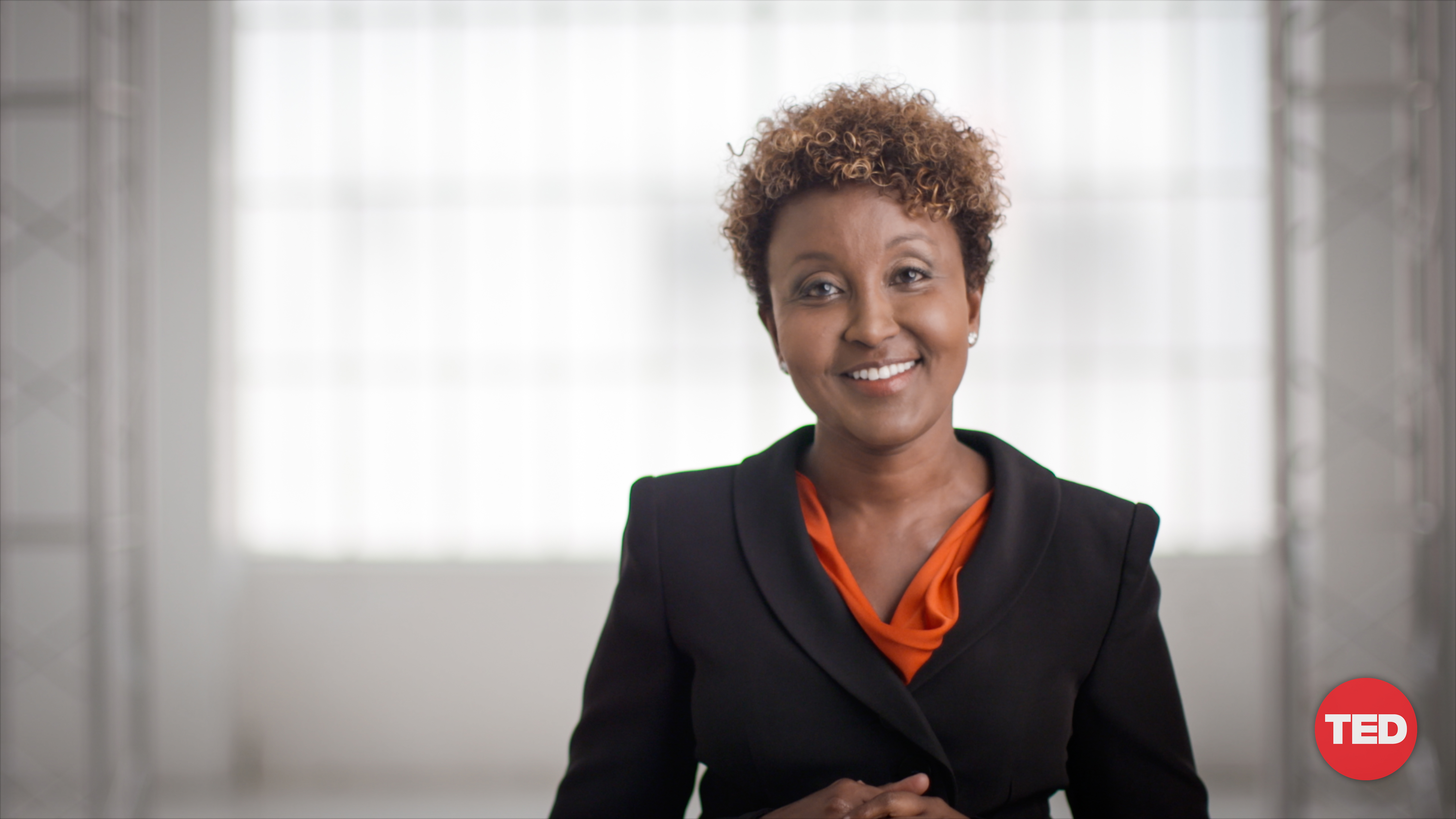
“AI is making amazing things possible for organizations and for people who otherwise would have been left behind,” says Jamila Gordon. She speaks at TEDWomen 2020 on November 12, 2020. (Photo courtesy of TED)

Jamila Gordon, AI advocate

Big idea: Artificial intelligence can break language, education and location barriers for disadvantaged people, giving them the opportunity to thrive. 

How? Born into a war-torn Somalia, Jamila Gordon has always considered herself to be lucky. When her family was separated and she was displaced in Kenya, Gordon’s journey eventually took her to Australia. There, she worked in a Japanese restaurant owned by a couple who showed her that amazing things are possible through hard work and perseverance. Now, she wants AI to do the same, at a massive scale, for disadvantaged people — giving them skills and tools to find work, be great at their jobs and do the work safely. In this way, Gordon believes software can open doors of opportunity for people who face cultural, social and economic barriers. For instance, Gordon’s platform, Lumachain, brings transparency to global supply chains, benefiting producers, enterprises and consumers, while also helping to end modern slavery.


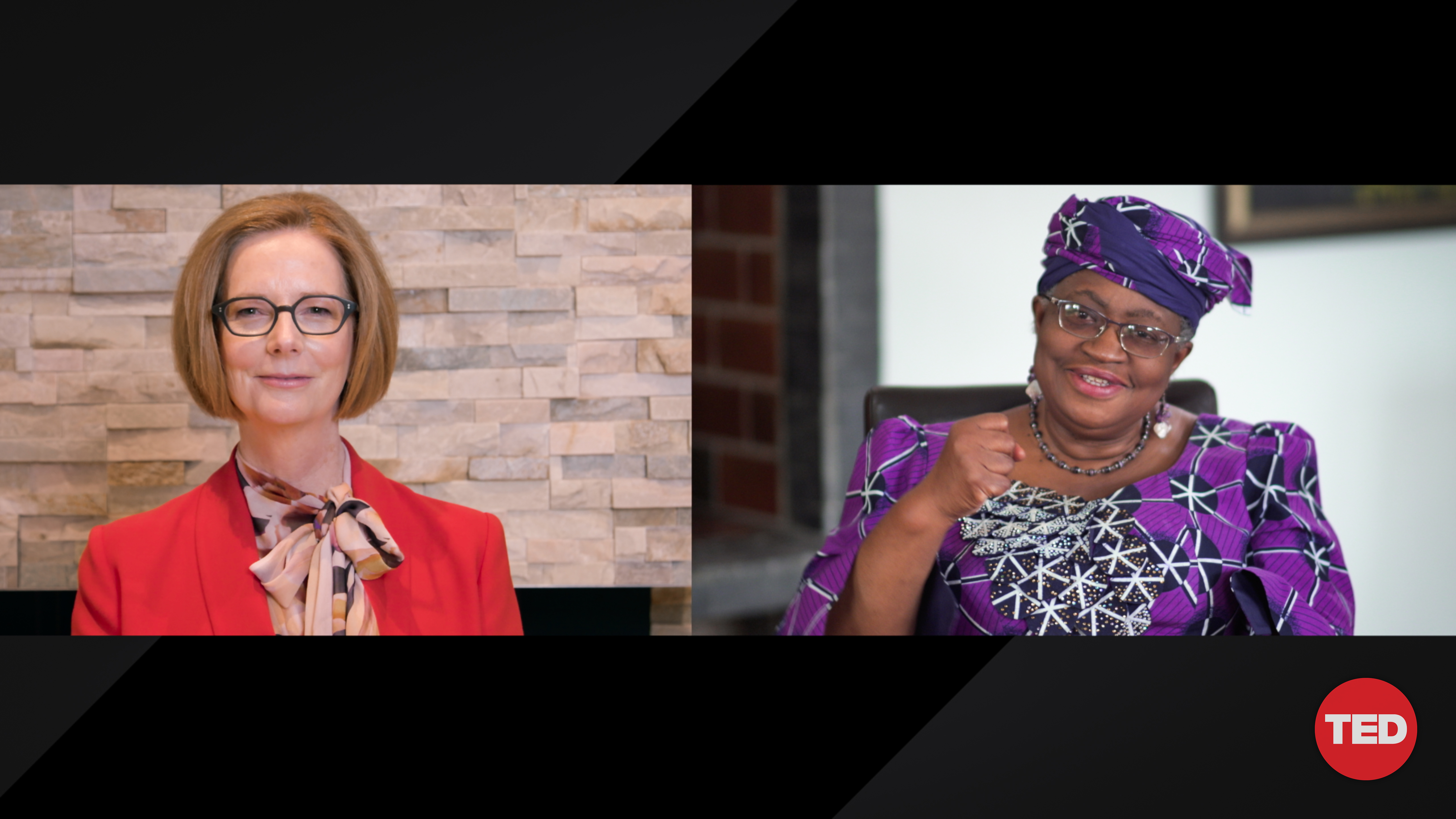
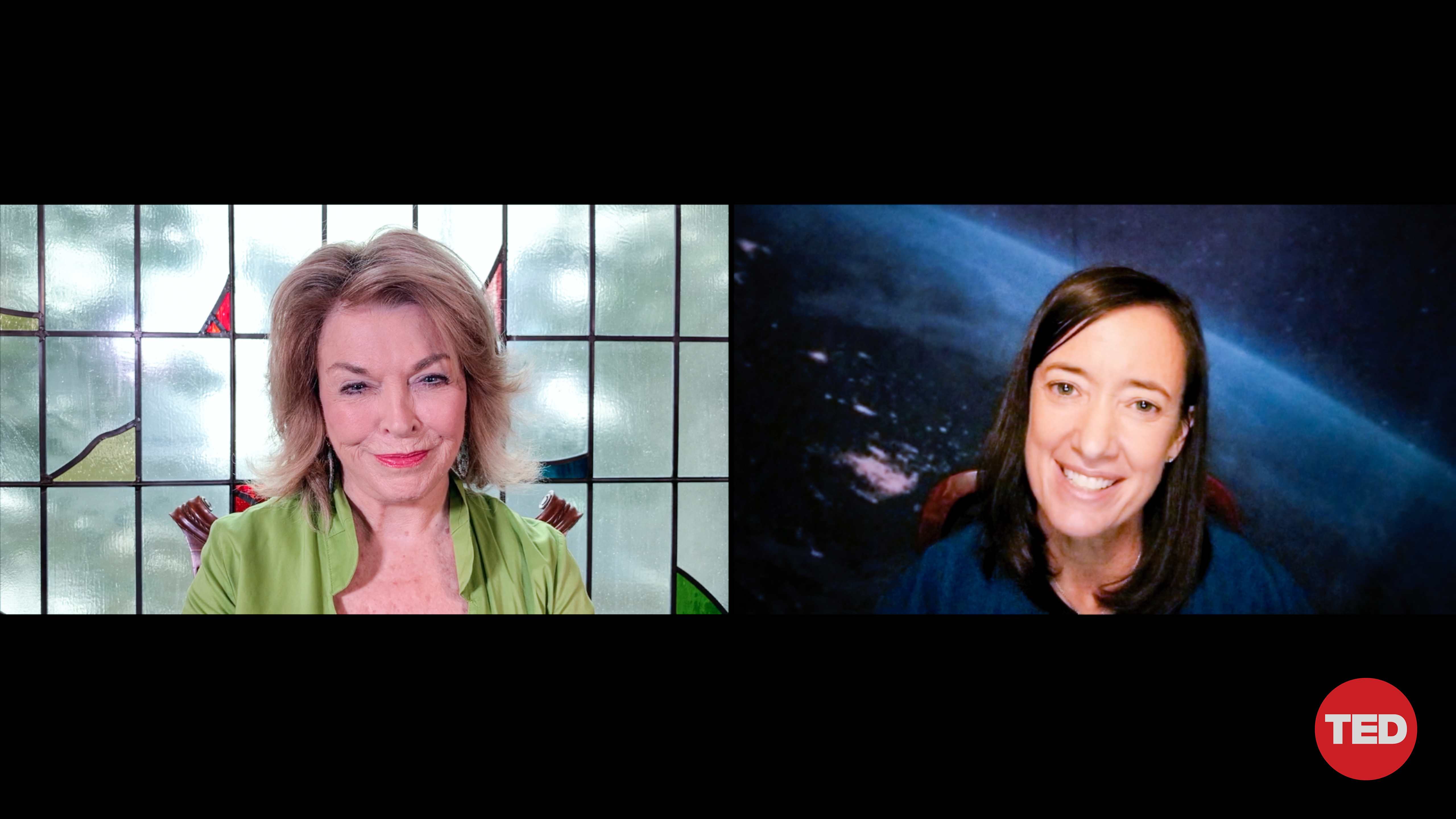
“There’s joy in being a leader, in having the opportunity to put your values into action,” says Julia Gillard, in conversation with Ngozi Okonjo-Iweala at TEDWomen 2020 on November 12, 2020. (Photo courtesy of TED)

Julia Gillard, former Prime Minister of Australia, and Ngozi Okonjo-Iweala, former Finance Minister of Nigeria

Big idea: The sexism that women leaders face shouldn’t overshadow or discourage others from stepping forward and making a positive impact.

Why? In conversation, Julia Gillard and Ngozi Okonjo-Iweala remark and reflect on their experiences in leadership — for better and worse. Their discussion runs the gamut of what it means to be a powerful woman in a sexist world: encountering unnecessary judgments based on appearance, enduring undue focus on personality over policy and facing criticism based solely on stereotypes. To be viewed as an acceptable leader, women must exude both strength and empathy, Okonjo-Iweala says. If they come across as too tough, they are viewed as hard and unlikeable. But if they seem too soft, they are seen to be lacking the backbone to lead. In fact, women leaders must also be thoughtful about how they portray their achievements to those who look up to and follow them. Emphasizing the positive makes a real difference to the power of role modeling, Gillard says. If the focus stays on the sexist and negative experiences, women may decide that being a leader isn’t for them. Conversely, if leaders shy away from speaking about their hardships, women and girls can be put off because they decide leadership is only for superwomen who never have any problems. It’s all about balance. For women looking to create space for themselves and others, Gillard and Okonjo-Iweala offer a list of six standout lessons to build solidarity: there’s no “right way” to be a woman leader, so be true to yourself; sit down with your trusted confidants and wargame how to deal with gendered moments; debunk gendered stereotypes; don’t wait for when you need help to support system changes that aid gender equality; network, but don’t shy away from taking up space in the world; and the last, but not least important: go for it!


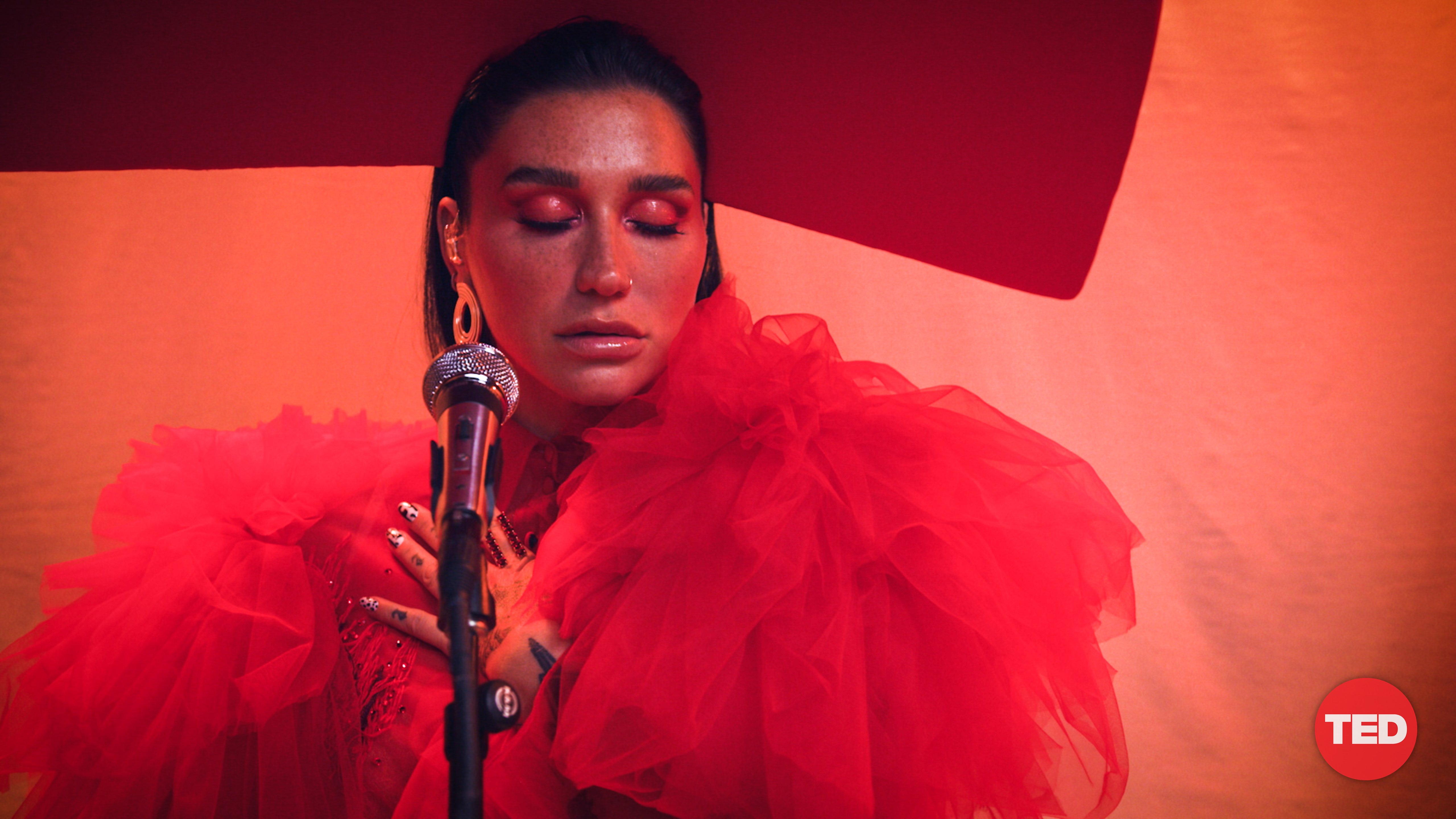
Kesha delivers a powerful performance of “Shadow” at TEDWomen 2020 on November 12, 2020. (Photo courtesy of TED)

Kesha, musician, actress, activist

“I can’t tell you how to not be afraid, but I can tell you that I’ve experienced how to not be defined by my fears,” says Grammy-nominated singer-songwriter Kesha. She shares a bit about how she faced her fears while living in the limelight over the last decade and delivers a powerful performance of “Shadow,” a song about courageously choosing positivity even when others are throwing shade. “Get your shadow outta my sunshine / Outta my blue skies / Outta my good times,” she sings. She’s accompanied by Mary Lattimore on harp, Karina DePiano on piano, and Skyler Stonestreet and Kenna Ramsey on background vocals.


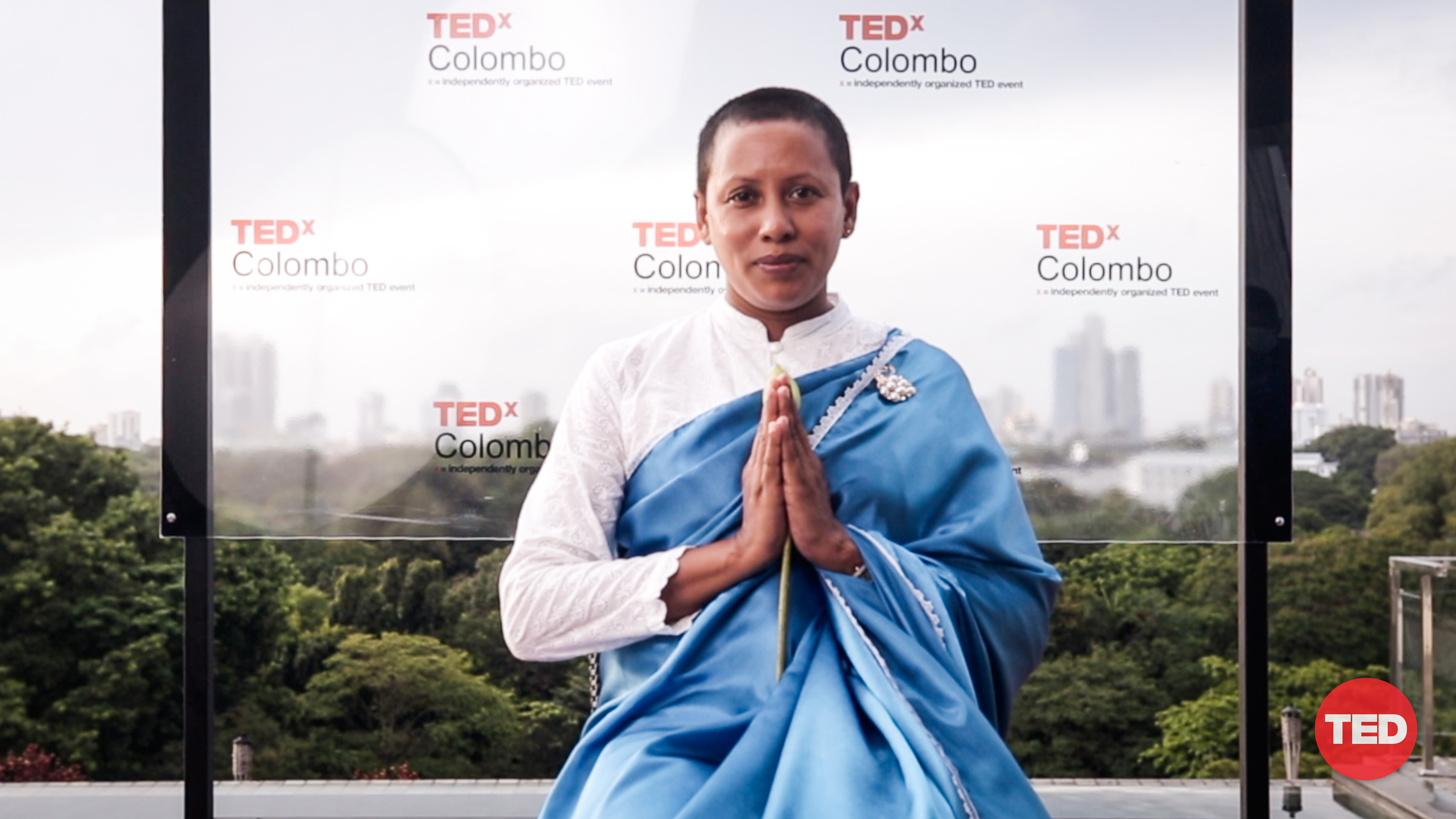
JayaShri Maathaa shares a magical mantra to calm yourself during troubled times. She speaks at TEDWomen 2020 on November 12, 2020. (Photo courtesy of TED)

JayaShri Maathaa, monk

Big idea: There is a simple mantra you can say to calm yourself during troubled times: “Thank you.”

Why? As the world brims with fear, doubt and anxiety during the coronavirus pandemic, JayaShri Maathaa finds that two magical words — “thank you” — fill her life with bliss and grace. How so? When you say “thank you,” you bring your attention inward and, over time, create a feeling of gratitude in your heart that can help you navigate life with peace and joy. For Maathaa, these two words are like music in her mind: they’re the first thing she thinks upon awakening, and the last thing she thinks before falling asleep. By planting these good thoughts in her mind and heart over the years, she now finds them blossoming into something beautiful — creating a harmony within herself and to the world around her. Want to give it a try?


Megan McArthur shares lessons from her life and career as a NASA astronaut, in conversation with TEDWomen curator Pat Mitchell at TEDWomen 2020 on November 12, 2020. (Photo courtesy of TED)

Megan McArthur, NASA astronaut

Big idea: The day, life and mindset of an astronaut.

Tell us more: In conversation with TEDWomen curator Pat Mitchell, astronaut Megan McArthur offers a glimpse into what it’s like when space becomes your world, but not your entire life. As a mother and wife (she’s married to fellow astronaut Bob Behnken), McArthur strikes a balance between the emotional outpouring of her husband’s spaceflight and training for her own launch, while supporting their son for his reality as an earthbound child. But when it comes to work, the focus becomes singular in hundreds of hours of preparation, which MaArthur emphasizes can be a mindset easily adjusted and applied to any professional role. Using her own example of tackling a new job, she reminds women that even if they come up against a situation they’ve never before encountered, they are ready and prepared from their life experience to take on that challenge, learn quickly and succeed. 


Closing out the final session with a flourish, a guitarist sets in motion delicate yet strident chords that reflect both the warmth and momentum of Apiorkor Seyiram Ashong-Abbey‘s poetry — paired with footage of her masked, standing statuesque in a deserted quarantine courtyard, motionless yet liquid all at once. Far from a mere diatribe, this piece proposes not a revolution, but a re-establishment of the majesty, magic and power of the matriarch, and the hidden traditions that have quietly sustained women for millenia — and that will someday soon renew the world once more.


from TED Blog https://blog.ted.com/onward-notes-from-session-3-of-tedwomen-2020/
via Sol Danmeri

Raise your voice: Notes from Session 2 of TEDWomen 2020

Diversity of ideas is more important now than ever. Session 2 of TEDWomen 2020 — hosted by poet Aja Monet, who gave a dazzling talk at TEDWomen 2018 — featured a dynamic range of talks and performances from some of the world’s most extraordinary risk-takers and innovators.

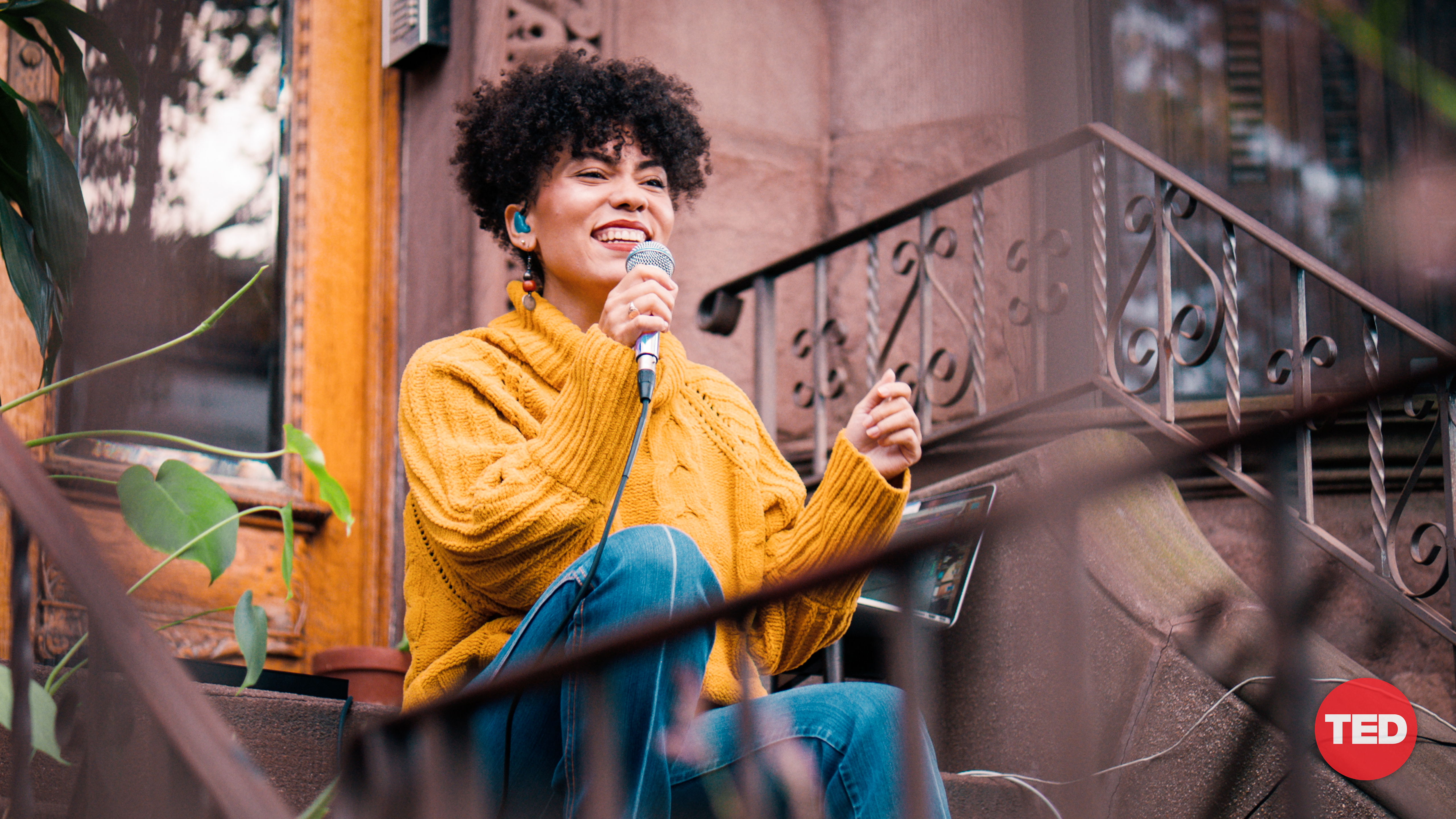
Singer-songwriter Madison McFerrin performs “TRY” at TEDWomen 2020 on November 12, 2020. (Photo courtesy of TED)

Music: From the stoop of her brownstone, singer-songwriter Madison McFerrin performs “TRY” — a synth-infused invitation to be your best self.

Special appearances: Mercy Akamo, organizer of TEDxLagos, and Keita Demming, organizer of TEDxPortofSpain, introduce this session’s TEDx speakers, part of a global collaboration between the TEDWomen team and an incredible group of TEDx organizers.

The session in brief:

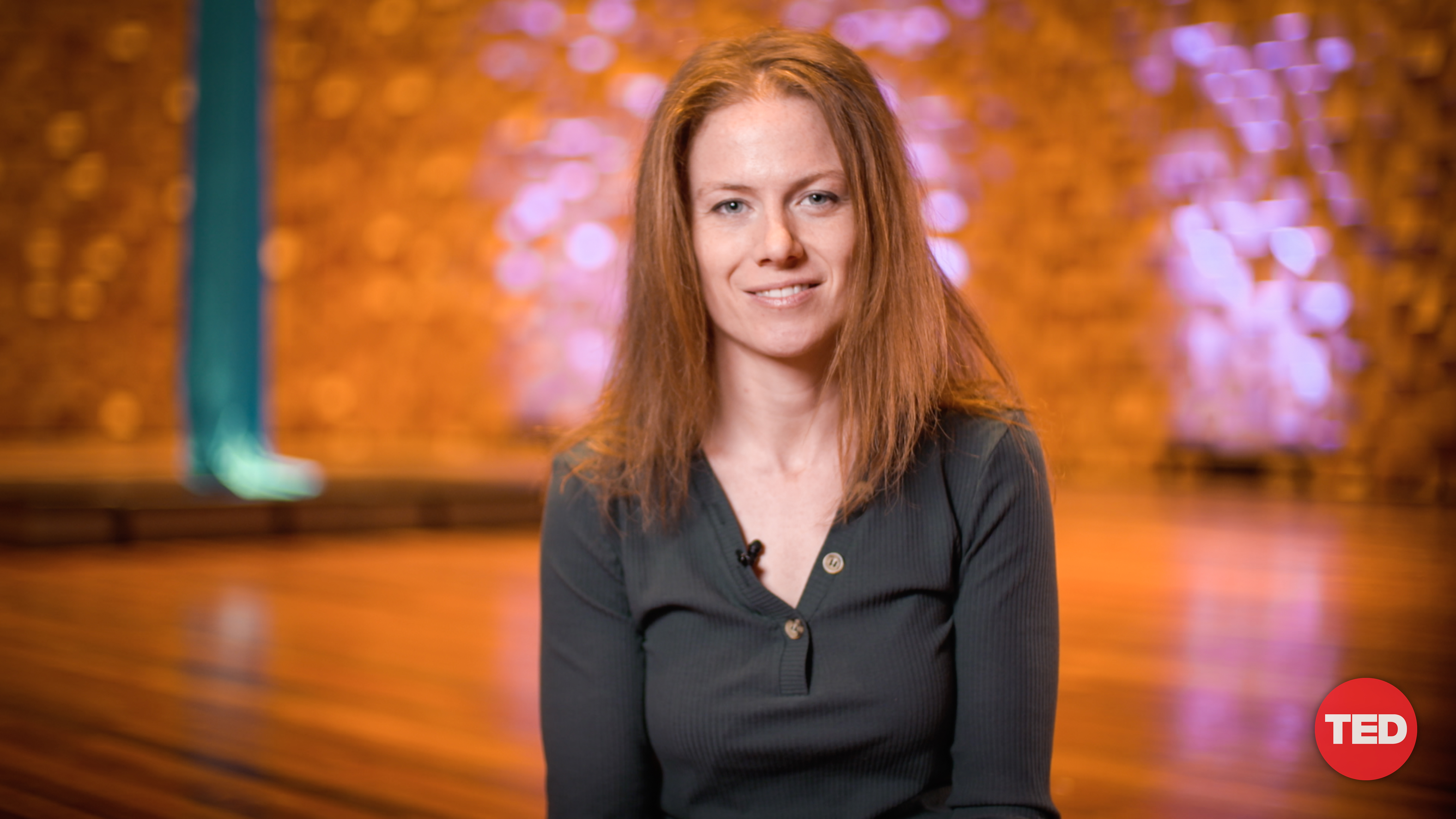
Adie Delaney talks about the importance of broadening our definition of consent at TEDWomen 2020 on November 12, 2020. (Photo courtesy of TED)

Adie Delaney, circus performer and sexual harm prevention educator

Big idea: We need to broaden our definition of consent: it is not a box to check off but an active dialogue that centers trust, communication and care.

How? In her role as a circus instructor, Adie Delaney teaches students how to listen to and trust their bodies, and how to communicate when they’re no longer comfortable. She quickly realized that she wasn’t just teaching children how to balance on a trapeze — she was also passing along vital lessons on consent. In addition to her circus career, Delaney works with teenagers on sexual harm prevention, helping them better understand how to practice consent. It’s vital that we integrate asking for and giving consent into our daily lives, whether or not it’s in an intimate setting, Delaney says. Whenever we are interacting with the bodies of others, we need to be sure everyone involved is safe and comfortable. By ensuring young people have the framework and language to clearly communicate their needs around their bodies, we can help them better care for themselves and each other.


Kemi DaSilva-Ibru discusses an effort to mobilize first responders to help people facing domestic violence during the pandemic. She speaks at TEDWomen 2020 on November 12, 2020. (Photo courtesy of TED)

Kemi DaSilva-Ibru, obstetrician and gynecologist

Big idea: Everybody has the right to live in a society free from gender-based violence — and communities can help. 

How? The mandatory lockdowns, quarantines and shelter-in-place orders that have confined people to their homes since the beginning of the COVID-19 crisis have placed some in another unsafe situation, prompting a shadow pandemic of domestic abuse worldwide. In Nigeria, the situation prompted the federal government to declare a state of emergency on rape. Dr. Kemi DaSilva-Ibru, founder of the Women at Risk International Foundation, which assists Nigerians facing gender-based violence, speaks from her home in Lagos on how the country is responding to this second crisis. More than 1,000 basic health care providers who service remote areas are being retrained as first responders to help in domestic violence situations, she says. These community-based men and women perform house visits, allowing people to share their stories and receive the medical care and support they need. To reach even more people, the program will soon train local police and religious leaders who have close ties to the community, providing even more accessible help and resources.


“We all play a part in treating people well regardless of biases,” says defense attorney Kylar W. Broadus. “Let’s advocate for each other by modeling respect.” He speaks at TEDWomen 2020 on November 12, 2020. (Photo courtesy of TED)

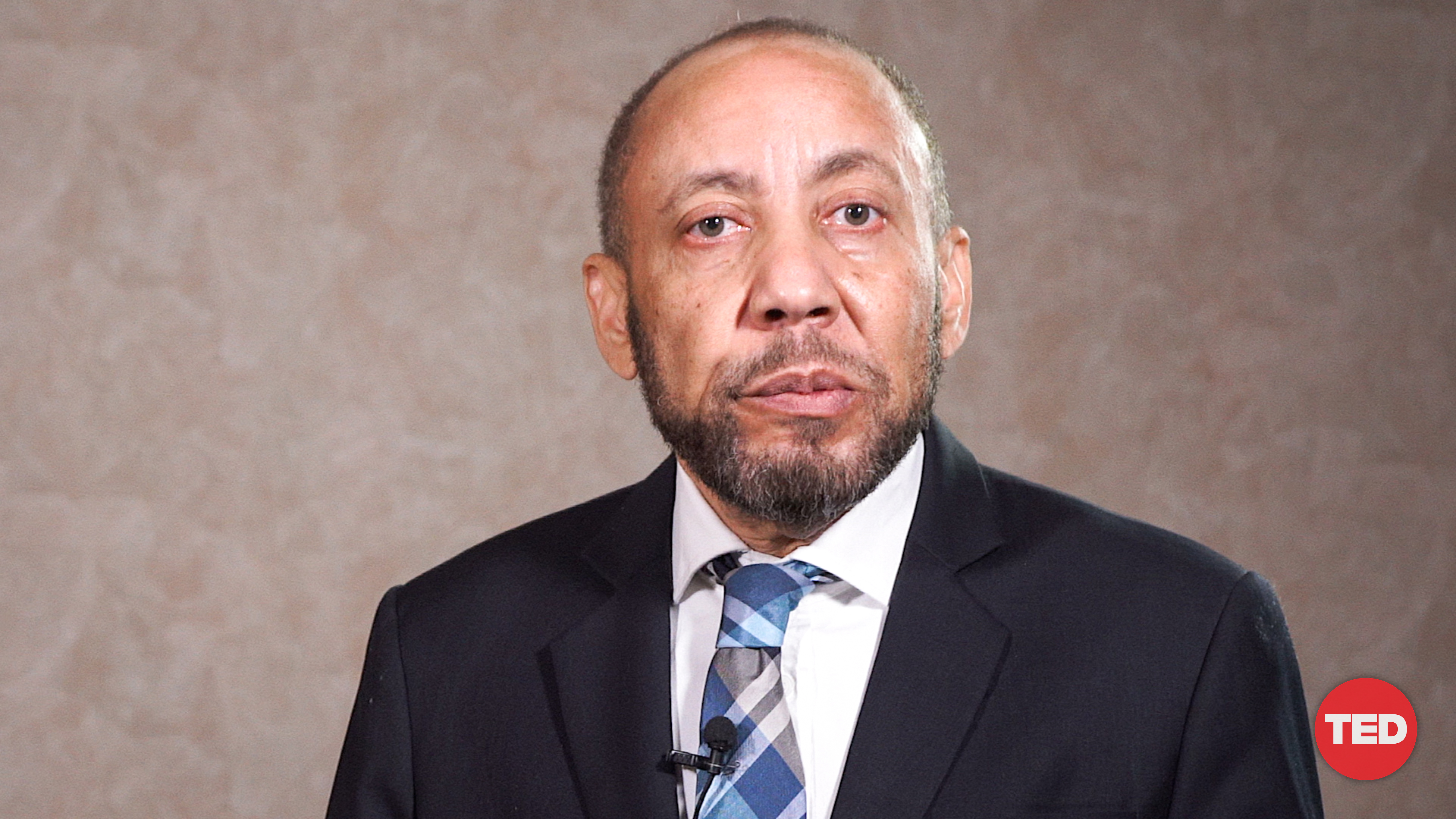
Kylar W. Broadus, defense attorney

Big idea: See beyond bias and stereotypes and treat people as the human beings they are.

How? For 25 years, Kylar W. Broadus has witnessed both conscious and unconscious bias inhibit justice in the courtroom — a pattern, well documented throughout history, of skin color and identity dictating harsher, lengthier punishments. To effectively dismantle this bias, Broadus believes a gentle yet consistent nudge in the right direction makes a stronger impression in encouraging people to uphold the shared humanity of others. He practices this subtle signaling in his own work, as the bridge between the client and courtroom, by modeling the behavior he wants the court to mirror — and succeeding. All people live with biases, but if we’re ever going to change society for the better, then we must pivot toward respect and see each other for the content of our character and the humanity we share.


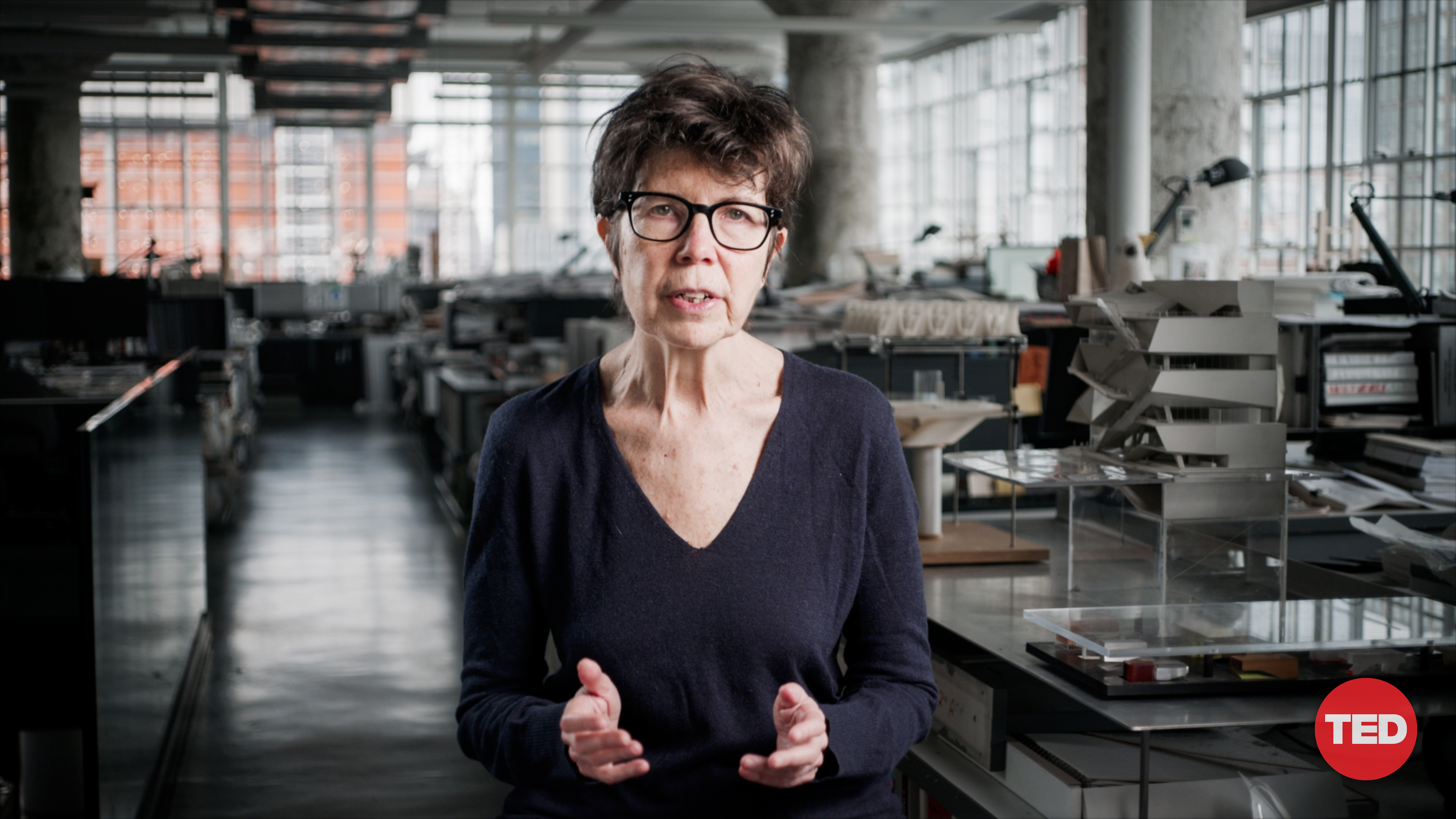
“Public space must be as free and abundant as the air we breathe,” says architect Elizabeth Diller. She speaks at TEDWomen 2020 on November 12, 2020. (Photo courtesy of TED)

Elizabeth Diller, architect, artist, designer

Big idea: Public space must be as free and abundant as the air we breathe.

Why? Our cities are becoming progressively privatized: commercial building projects and real estate dominate the streets, squeezing out space that once belonged to society at large. Elizabeth Diller says that architects must staunchly defend, advocate for and reclaim this public space, serving as a kind of creative protector against urban privatization, neglect and lack of vision. For her part, Diller helped convert a derelict railroad in New York City into the High Line, a stunning, elevated public park that is both a “portal into the city’s subconscious” and a landmark on the world tourism map. She likewise helped design a park in central Moscow — beating out plans for a giant commercial development — that has since become a bastion of civic expression and a home to social reform against a repressive regime. Now, she encourages other architects, artists and citizens to join in on this work subversively to (re)empower the public. As she puts it: “[We must] relentlessly advocate for a democratic public realm so dwindling urban space is not forfeited to the highest bidder.”


Are you an “upstander”? Angélique Parisot-Potter discusses how to stand up to wrongdoing at work at TEDWomen 2020 on November 12, 2020. (Photo courtesy of TED)

Angélique Parisot-Potter, legal and business integrity leader

Big idea: Be an “upstander”: someone who doesn’t shy away from difficult moments and discussions.

How? As a consultant who helps brands build integrity by rooting out the “open secrets” that corrode workplace ethics, Angélique Parisot-Potter is used to overturning the wrong stones. But sometimes in the pursuit of doing the right thing, she has overturned one stone too many — and found herself at odds with powerful adversaries and ostracized by colleagues. How does one stand up to bad actors (and those who let them get away with their subterfuge), even in the face of threats, coercion and isolation? The most important thing to be, says Parisot-Potter, is an upstander: someone who doesn’t shy away from dark corners and instead exposes them to the light. Although this path is difficult, the rewards — like being able to face one’s self in the mirror every day — are as rich as they are intangible. Becoming an upstander is simple: when you see something wrong, don’t second guess yourself and instead ask the difficult questions no one else is asking. Most importantly, don’t be complicit — you always have the power to say “enough is enough.”


“Don’t be afraid to trust and be yourself completely,” says Tracy Young, speaking on the topic of leadership at TEDWomen 2020 on November 12, 2020. (Photo courtesy of TED)

Tracy Young, builder

Big idea: Don’t be afraid to show up to work as your complete, raw self. 

Why? Tracy Young cofounded a start-up in 2011, serving as the company’s CEO as it grew from five employees to 450. Along the way, she recalls worrying that employees and investors would value male leaders more, and that being a woman might compromise her position as CEO. Partly for that reason, she continued coming into work through the later months of her pregnancy, and was quick to return just six weeks after giving birth. She also shares the heart-rending story of having a miscarriage at work during her second pregnancy, and returning to a meeting as though nothing had happened. Now, she realizes her womanhood is nothing to be ashamed of: she shares the full range of her emotions at work, leading more authentically and actively asking her team for help. This has fundamentally changed how they build and problem solve together, she says, creating a work culture that is more close-knit and efficient. To her fellow leaders out there, Young’s advice is: “Don’t be afraid to trust and be yourself completely.”


from TED Blog https://blog.ted.com/raise-your-voice-notes-from-session-2-of-tedwomen-2020/
via Sol Danmeri

Bring it on: Notes from Session 1 of TEDWomen 2020

In this moment of great uncertainty, it’s time to be fearless. TEDWomen 2020, a day-long event hosted on TED’s virtual event platform, is all about fearlessness — in the way we think, act, participate — and how this collective mentality can empower us to take a global step forward, together. The day kicked off with an inspiring session of talks and performances, all designed to take us on a journey of curiosity, wonder and learning. Hosted by TEDWomen curator Pat Mitchell and TEDx learning specialist Bianca DeJesus, seven speakers and performers showed us how to find the strength and clarity needed to navigate an ever-changing, ever-challenging world. 

Music: The group Kolinga performs “Nguya na ngai,” an original song that’s equal parts music, poetry and dance.

Special appearance: Grace Yang, organizer of TEDxMontrealWomen, joins the event to represent the global TEDx community, through which more than 140 TEDx teams in 51 countries are organizing TEDxWomen events alongside the main show.

The session in brief:

To open the session, activist and poet Apiorkor Seyiram Ashong-Abbey delivers a powerful hymn to the universal matriarch in all of her manifestations — exalting her fearlessness as she faces the unknown, praising her body down to the folds of her skin, shouting against the silence surrounding her oppression, and above all shattering the chains (political and social) that bind her across the globe.


“Our courage is born from unity; our solidarity is our strength,” says Sviatlana Tsikhanouskaya, leader of the national democratic movement in Belarus. She speaks at TEDWomen 2020 on November 12, 2020. (Photo courtesy of TED)

Sviatlana Tsikhanouskaya, politician

Big idea: In the face of authoritarianism, the path to fearlessness lies in unity and solidarity.

How? The people of Belarus have been under authoritarian rule since 1994, subject to police violence and everyday assaults on their freedoms. But this year, something changed. Tens of thousands have taken to the streets to participate in anti-government demonstrations, supporting Sviatlana Tsikhanouskaya’s campaign in opposition to the country’s authoritarian leader, Aleksandr G. Lukashenko. Tsikhanouskaya stepped in for her husband, who was jailed, to run against Lukashenko in the nation’s recent presidential election — an election she is widely viewed to have won, despite falsified results released by the regime. Now, she tells the story of how a small collection of women-led protests in the capital of Minsk sparked massive, peaceful demonstrations across the country — the likes of which Belarus has never seen — that continue amid calls for a new free and fair election. Even after being forced into exile with her children, Tsikhanouskaya remains determined. “Our courage is born from unity,” she says. “Our solidarity is our strength.”


In April 2020, Sophie Rose volunteered to be infected with COVID-19 as part of a human challenge trial. She makes the case for these trials at TEDWomen 2020 on November 12, 2020. (Photo courtesy of TED)

Sophie Rose, infectious disease researcher

Big idea: To quickly and equitably vaccinate the world’s eight billion people against COVID-19, we will need several approved vaccines. Human challenge trials may help speed up the development and deployment of effective vaccines.

How? In April 2020, Sophie Rose volunteered to be infected with COVID-19. As a young, healthy adult, she’s participating in a “human challenge trial” — a type of trial in which participants are intentionally exposed to infection — that may help researchers develop, manufacture and implement vaccines in record time, saving the lives of thousands of people. She explains her decision and the difference between challenge trials and the phase III clinical trials typically carried out for drugs and vaccines. Unlike phase III trials, where participants receive a vaccine and are subsequently monitored for possible infection throughout the course of their normal lives, challenge trial participants are purposely exposed to the virus after vaccination. Deliberate exposure allows researchers to know more quickly if the vaccine works (usually within a matter of months, instead of years) and requires fewer participants (around 50 to 100 instead of thousands). Because exposure is certain, challenge trial volunteers must be young, typically between ages 20 and 29, and have no preexisting conditions that could put them at an elevated risk. Since choosing to participate, Rose cofounded 1Day Sooner, a nonprofit that advocates for challenge trial participants and has helped more than 39,000 people around the world volunteer for these trials.


“It’s not just protesting and raising your voice, but also doing something to show your intentions,” says WNBA champion Renee Montgomery. She speaks at TEDWomen 2020 on November 12, 2020. (Photo courtesy of TED)

Renee Montgomery, WNBA champion, activist

Big idea: For people’s voices to be heard in the face of injustice, they need to be “felt.” We can do this by opting out of our comfort zones and taking positive social action.

How? Renee Montgomery hadn’t planned to quit her dream job in the middle of a pandemic, but it was a leap of faith she made in order to do her part in fighting Americ’s racial injustice. By “opting out” of her career as a WNBA player, she made space to focus on others’ voices and amplify them with her platform. Montgomery explains that, to truly have these experiences heard, they need to be felt: “Making it felt for me is an action,” she says. “It’s not just protesting and raising your voice, but also doing something to show your intentions.” Her intentions? To level the playing field so everyone has the same opportunities, regardless of race, and to turn this moment into positive, lasting momentum.


Yukon Regional Chief Kluane Adamek shares the legacy of matriarchs in the Yukon First Nations at TEDWomen 2020 on November 12, 2020. (Photo courtesy of TED)

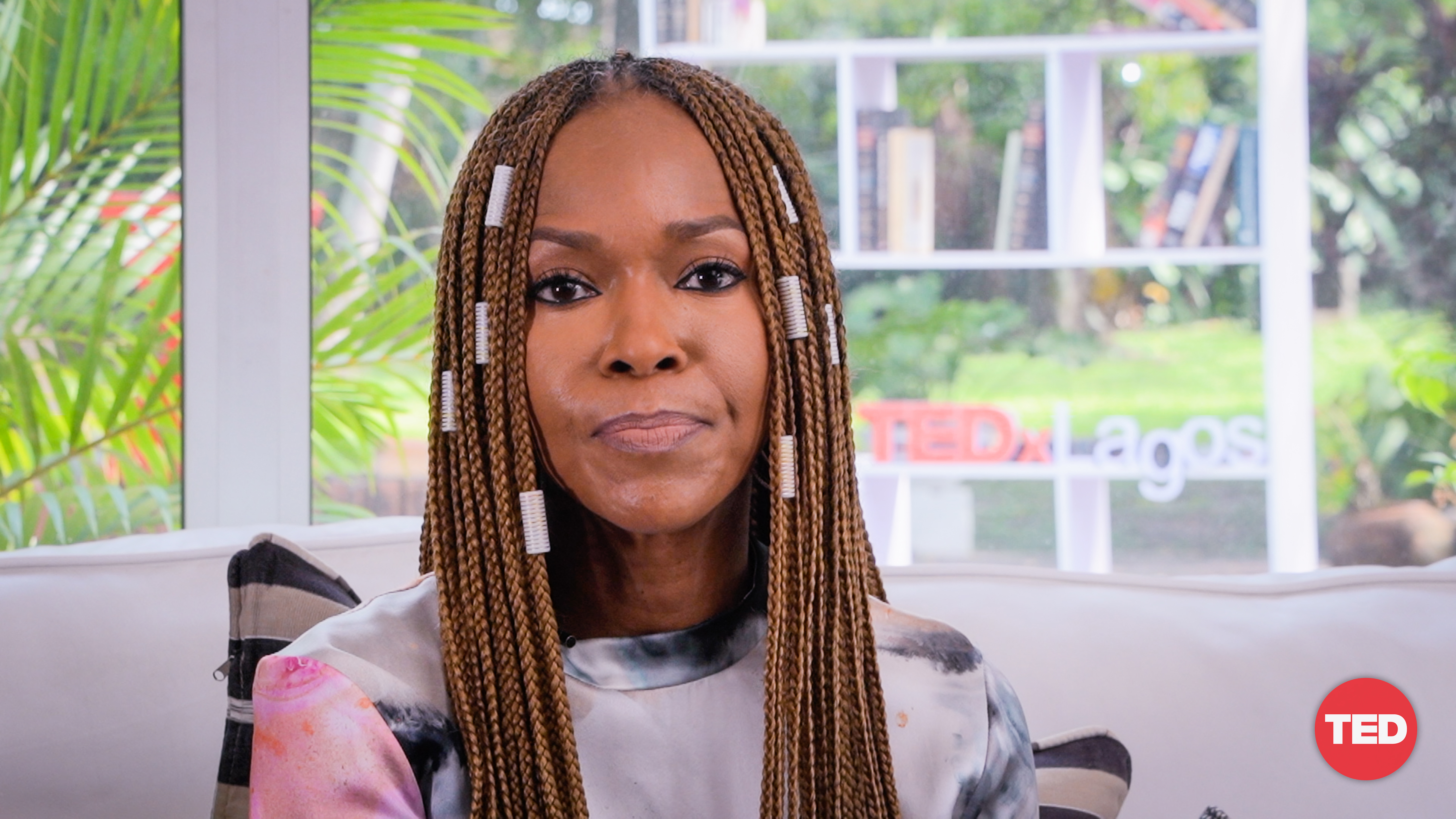
Kluane Adamek, Yukon Regional Chief

Big idea: Leadership and matriarchal wisdom of the Yukon First Nations people.

Tell us more: In the Yukon First Nations, women lead — and have done so for generations. Their matriarchs have forged trade agreements, created marriage alliances and ensured business happens across their land for generations. Their matrilineal society is one that deeply values, honors and respects the roles of women. Much of the world doesn’t reflect this way of living, but Yukon Regional Chief Kluane Adamek urges others to follow in the footsteps of her people — by putting more women at the table and learning from the power of reciprocity. There’s so much women can share with the world, she says, encouraging all women to seek spaces to share their perspective and create impact.


María Teresa Kumar, civic leader

Big idea: The engaged and growing Latinx vote turned out in record numbers during the US 2020 presidential election and has the potential to shape American politics for decades to come. 

How? A historic number of Latinx voters cast a ballot in the US 2020 presidential election. As the nation’s most rapidly growing demographic, Latinx youth are voting for a brighter future. María Teresa Kumar, CEO of Voto Latino, reflects on the issues closest to young Latinx voters and their families, which include health care, climate equity and racial justice. With a look back to FDR’s New Deal, which catalyzed growth, nation-building and paved the way for JFK’s century-defining Moonshot mission, Kumar peeks into the future of the United States and sees the potential for the newest generation of voters to shape the years ahead.


from TED Blog https://blog.ted.com/bring-it-on-notes-from-session-1-of-tedwomen-2020/
via Sol Danmeri

Thursday, 29 October 2020

Defining the future: The talks of TED Salon: Dell Technologies

“The single biggest threat of climate change is the collapse of food systems,” says journalist Amanda Little, quoting USDA scientist Jerry Hatfield. “Addressing this challenge as much as any other is going to define our progress in the coming century.” She speaks at TED Salon: Dell Technologies on October 22, 2020. (Photo courtesy of TED)

In a time that feels unsettled and uncertain, technology and those who create it will play a crucial role in what’s coming next. How do we define that future, as opposed to letting it define us? At a special TED Salon held as part of the Dell Technologies World conference and hosted by TED’s Simone Ross, four speakers shared ideas for building a future where tech and humanity are combined in a more active, deliberate and thoughtful way.

The talks in brief:

Genevieve Bell, ethical AI expert

Big idea: To create a sustainable, efficient and safe future for artificial intelligence systems, we need to ask questions that contextualize the history of technology and create possibilities for the next generation of critical thinkers to build upon it. 

How? Making a connection between AI and the built world is a hard story to tell, but that’s exactly what Genevieve Bell and her team at 3A Institute are doing: adding to the rich legacy of AI systems, while establishing a new branch of engineering that can sustainably bring cyber-physical systems and AI to scale going forward. “To build on that legacy and our sense of purpose, I think we need a clear framework for asking questions about the future, questions for which there aren’t ready or easy answers,” Bell says. She shares six nuanced questions that frame her approach: Is the system autonomous? Does the system have agency? How do we think about assurance (is it safe and functioning)? How do we interface with it? What will be the indicators that show it is working well? And finally, what is its intent? With these questions, we can broaden our understanding of the systems we create and how they will function in the years to come. 


Amanda Little, food journalist

Big ideaTo build a robust, resilient and diverse food future in the face of complex challenges, we need a “third way” forward — blending the best of traditional agriculture with cutting-edge new technologies.

How? COVID-19 has simultaneously paralyzed already vulnerable global food systems and ushered in food shortages — despite a surplus of technological advances. How will we continue to feed a growing population? Amanda Little has an idea: “Our challenge is to borrow from the wisdom of the ages and from our most advanced science to [a] third way: one that allows us to improve and scale our harvest while restoring, rather than degrading the underlying land of life.” Amid increasingly complex disruptions like climate change, this “third way” provides a roadmap to food security that marries old agricultural production with new, innovative farming practices — like using robots to deploy fertilizer on crop fields with sniper-like precision, eating lab-grown meats and building aeroponic farms. By nixing antiquated supply chains and producing food in a scalable, sustainable and adaptable way, Little shows just how bright our food future might be. Watch the full talk.


“Investing in data quality and accuracy is essential to making AI possible — not only for the few and privileged but for everyone in society,” says data scientist Mainak Mazumdar. He speaks at TED Salon: Dell Technologies on October 22, 2020. (Photo courtesy of TED)

Mainak Mazumdar, data scientist

Big idea: When the pursuit of using AI to make fair and equitable decisions fails, blame the data — not the algorithms.

Why? The future economy won’t be built by factories and people, but by computers and algorithms — for better or for worse. To make AI possible for humanity and society, we need an urgent reset in three major areas: data infrastructure, data quality and data literacy. Together, they hold the key to ethical decision-making in the age of AI. Mazumdar lists how less-than-quality data in examples such as the 2020 US Census and marketing research could lead to poor results in trying to reach and help specific demographics. Right now, AI is only reinforcing and accelerating our bias at speed and scale, with societal implications in its wake. But it doesn’t need to be that way. Instead of racing to build new algorithms, our mission should be to build a better data infrastructure that makes ethical AI possible.


Paul D. Miller aka DJ Spooky, multimedia musician

Big idea: Modern computing is founded on patterns, so could you translate the patterns of code and data into music? If so, what would the internet sound like?

How? Cultural achievements throughout human history, like music and architecture, are based on pattern recognition, math and the need to organize information — and the internet is no different. Paul D. Miller aka DJ Spooky gives a tour of how the internet came to be, from the conception of software by Ada Lovelace in the early 1800s to the development of early computers catalyzed by World War II and the birth of the internet beginning in 1969. Today, millions of devices are plugged into the internet, sending data zooming around the world. By transforming the internet’s router connections and data sets into sounds, beats and tempos, Miller introduces “Quantopia,” a portrait of the internet in sound. A special auditory and visual experience, this internet soundscape reveals the patterns that connect us all.


from TED Blog https://blog.ted.com/defining-the-future-the-talks-of-ted-salon-dell-technologies/
via Sol Danmeri

Friday, 23 October 2020

Join us for TEDWomen 2020: Fearless on November 12

TEDWomen 2020 is nearly here! The day-long conference will take place on November 12 via TED’s new virtual conference platform. TEDWomen attendees will experience TED’s signature talks as well as an array of live, interactive sessions, community “idea dates,” small-group speaker Q&As and more. The talks featured in the program have been developed in collaboration with an incredible group of TEDx organizers from Lagos, Nigeria; Port of Spain, Trinidad and Tobago; Montreal, Canada; Colombo, Sri Lanka; and Sydney, Australia. TEDWomen will celebrate and amplify dynamic, multi-dimensional ideas from these communities and around the world.

In the midst of uncertainty, the greatest peril is to retreat or become immobilized. At TEDWomen, we’ll hear from bold leaders who are stepping forward and taking action.

TEDWomen 2020 speakers and performers include:

  • Kluane Adamek, Assembly of First Nations Yukon Regional Chief
  • Kylar W. Broadus, Human and civil rights attorney and advocate
  • Kemi DaSilva-Ibru, Women’s health specialist
  • Adie Delaney, Educator and performer
  • Elizabeth Diller, Architect, artist and designer
  • Julia Gillard, 27th Prime Minister of Australia
  • Jamila Gordon, AI advocate
  • María Teresa Kumar, Civic leader
  • JayaShri Maathaa, Monk
  • Megan McArthur, NASA astronaut
  • Madison McFerrin, Singer and songwriter
  • Renee Montgomery, WNBA champion and activist
  • Ngozi Okonjo-Iweala, Economist and international development expert
  • Angélique Parisot-Potter, Legal and business integrity leader
  • Sophie Rose, Infectious disease researcher
  • Apiorkor Seyiram Ashong-Abbey, Poet and author
  • Gloria Steinem, Feminist activist and writer
  • Sviatlana Tsikhanouskaya, Politician
  • Tracy Young, Builder
  • View the full speaker lineup

TED has partnered with a number of organizations to support its mission and contribute to the idea exchange at TEDWomen 2020. These organizations are collaborating with the TED team on innovative ways to engage a virtual audience and align their ideas and perspectives with this year’s programming. This year’s partners include: Boston Consulting Group, Dove Advanced Care Antiperspirant, Project Management Institute and the U.S. Air Force.

TEDWomen 2020 is taking place on November 12, 11am – 6pm ET. TEDWomen applications will be accepted until 9am ET, November 9 (or until sold out). Learn more and apply now!


from TED Blog https://blog.ted.com/join-us-for-tedwomen-2020-fearless-on-november-12/
via Sol Danmeri

Symbiotic: The talks of TED@BCG 2020

Is TikTok changing the way we work and learn? Qiuqing Tai talks about the rise of short-form videos at TED@BCG on October 21, 2020. (Photo courtesy of TED)

How can we make advances in technology that don’t require massive job losses? Work with nature to protect both the planet and humanity? Ensure all people are treated equitably? In a day of talks, interviews and performances, 17 speakers and performers shared ideas about a future in which people, technology and nature thrive interdependently.

The event: TED@BCG: Symbiotic is the ninth event TED and Boston Consulting Group have partnered around to bring leaders, innovators and changemakers to the stage to share ideas for solving society’s biggest challenges. Hosted by TED’s Corey Hajim along with BCG’s Seema Bansal, Rocío Lorenzo and Vinay Shandal, with opening remarks from Rich Lesser, CEO of BCG.

Music: The group Kolinga, fronted by lead singer Rébecca M’Boungou, perform the original song “Nguya na ngai” — a stunning rendition that’s equal parts music, poetry and dance.

The talks in brief:

Qiuqing Tai, video visionary

Big idea: Short-form videos — 60 seconds or less, made and shared on apps like TikTok, Snapchat and Instagram — are changing the way we work, communicate and learn.

How? More than 1.5 billion people around the world regularly watch short videos, and more than half of them are under the age of 24, says Qiuqing Tai. This bite-sized content is quickly becoming the new normal, with people turning to it not only for entertainment but also to discover new interests and skills. Meanwhile, businesses use short-form videos to find new customers and diversify their audiences. In 2019, Tai led a research study with TikTok, finding that the platform’s short-form content generated an estimated $95 billion in goods and services sold, and helped create 1.2 million jobs globally. There has also been an explosion in short-form educational content, as social enterprises and education startups experiment with 15-second videos for people who want to learn on the fly. There are valid concerns about this young medium, Tai admits — data privacy, the addictive nature of the format, the lack of contextual nuance — but, with the right investment and policymaking, she believes the benefits will ultimately outweigh the drawbacks.


Matt Langione, quantum advocate

Big idea: If not traditional supercomputers, what technology will emerge to arm us against the challenges of the 21st century?

What will it be? For nearly a century, we’ve relied on high-performance computers to meet critical, complex demands — from cracking Nazi codes to sequencing the human genome — and they’ve been getting smaller, faster and better, as if by magic. But that magic seems to be running out due to the physical limitations of the traditional supercomputer, says Matt Langione — and it’s time to look to newer, subatomic horizons. Enter quantum computing: an emerging hyper-speed solution for the urgent challenges of our time, like vaccine development, finance and logistics. Langione addresses fundamental questions about this burgeoning technology — How does it work? Do we really need it? How long until it’s available? — with a goal in mind: to disperse any doubts about investing in quantum computing now rather than later, for the sake of lasting progress for business and society at large. “The race to a new age of magic and supercomputing is already underway,” he says. “It’s one we can’t afford to lose.”


Ajay Banga, CEO of Mastercard, discusses financial inclusion and how to build a more equitable economy. He speaks with TED current affairs curator Whitney Pennington Rodgers at TED@BCG on October 21, 2020. (Photo courtesy of TED)

Ajay Banga, CEO of Mastercard

Big idea: Let’s introduce those who are un-banked or under-banked into the banking system via a mobile, digital economy.

How? Roughly two billion people don’t have access to banks or services like credit, insurance and investment — or even a way to establish a financial identity. These people must rely solely on cash, which can be dangerous and prone to fraud by middlemen (and costs about 1.2 percent of a nation’s GDP to produce). As an advocate of “financial inclusion,” Mastercard CEO Ajay Banga believes that banks, fintech and telecom companies, governments and merchants can build a new, more equitable economy that relies on digital transactions rather than cash. How would its users benefit? As an example, a grocer may not be able to afford supplies for the week if she’s paying cash, but with a mobile payment system, she could build enough of a transaction history to establish credit, and with enough credit, she could build a “financial identity.” Such identities could revolutionize everything from small business to distributing aid — all using tech that’s already in place, and that doesn’t require a smartphone.


Nimisha Jain, commerce aficionado

Big idea: For Nimisha Jain, shopping was once an activity full of excitement, friends, family and trusted sellers. But for many like her in emerging markets worldwide, online shopping is intimidating and, frankly, inhuman, full of mistrust for unscrupulous sellers and mysterious technology. Is there a way for online sellers to build genuine human interactivity into virtual shopping, at scale?

How? Fortunately, it’s possible to combine the convenience of online shopping with a personalized experience in what Jain calls “conversational commerce,” and some companies are doing exactly this — like Meesho in India, which allows shoppers to interact with the same person every time they shop. Over time, the agent learns what you like, when you would like it and, once trusted, will fill your shopping cart with unexpected items. But this model is not only for the developing world; Jain’s research shows that customers in the West also like this concept, and it might someday transform the way the world shops. 


Emily Leproust, DNA synthesizer

Big idea: We need to rethink what modern global sustainability looks like — and pursue a new kind of environmentalism.

How? By working with the environment, rather than against it. As it stands, nature has been adapting and reacting to the presence of human developments, just like we’ve been adapting and reacting to nature’s changing climate, says Leproust — and we must course-correct before we destroy each other. She advocates for a path paved by synthetic biology and powered by DNA. Embracing the potential of biological innovation could help across the board, but Leproust singles out three critical areas: health, food and materials. If we focus our energy on pursuing sustainable outcomes — like lab-developed insulin, engineering foods to be immune to disease and harnessing the potential of spider silk — human civilization and the natural world could thrive in tandem without worry.


“Technology is fundamentally infiltrating every aspect of our daily lives, transforming everything from how we work to how we fall in love. Why should sports be any different?” asks esports expert William Collis. He speaks at TED@BCG on October 21, 2020. (Photo courtesy of TED)

William Collis, esports expert

Big idea: We revere traditional athletic prowess, but what about the skills and talent of a different sort of athlete?

What do you mean? Video games should no longer be considered children’s play, says esports expert William Collis. They’ve grown into a multibillion-dollar sporting phenomenon — to the point where traditional sport stars, from David Beckham to Shaquille O’Neal, are investing in competitive games like Fortnite, League of Legends and Rocket League. It takes real skill to be good at these video games, reminds Collis, which he breaks down into three main categories: mechanical (much like playing an instrument), strategic (equivalent to tactical choices of chess) and leadership. Beyond that, being a pro-gamer requires adaptability, creativity and unconventional thinking. Collis’s message is simple: respect the game and the valuable traits developed there, just as you would any other sport.


Bas Sudmeijer, carbon capture advisor

Big idea: Carbon capture and storage — diverting emissions before they hit the atmosphere and burying them back in the earth — is not new, but analysts like Bas Sudmeijer think it could both contribute to the fight against climate change and allow big polluters (who are also big employers) to stay in business. But for carbon capture to make a significant contribution to emission reductions, we must spend 110 billion dollars a year for the next 20 years.

How can we offset this enormous cost? Sudmeijer believes that “carbon networks” — clusters of polluters centered around potential underground carbon sinks — could solve the economic barriers to this promising technology, if they’re created in conjunction with aggressive regulation to make polluting more expensive. And the clock is ticking: current carbon capture operations trap only .1 percent of greenhouse gases, and we need to increase that number 100- to 200-fold in order to slow global warming. Fortunately, we have a historical model for this — the push to supply gas to Europe after World War II, carried out in a similar time frame during a period of similar economic stress.


“One of the best ways to safeguard democracy is to expose everyone to each other’s stories, music, cultures and histories,” says Mehret Mandefro. She speaks at TED@BCG on October 21, 2020. (Photo courtesy of TED)

Mehret Mandefro, physician, filmmaker

Big idea: A robust and well-funded creative industry drives economic and democratic growth. A thriving creative industry isn’t just “a nice thing to have” — it’s a democratic necessity. 

How? With a median age of about 19, Ethiopia’s youth are rapidly graduating into a labor market with an astronomical 19-percent unemployment rate and few opportunities. To create enough good-paying jobs for its expanding workforce, Mehret Mandefro says the government should expand the creative sector. She says that putting culture on the agenda could boost industries like tourism and drive the country’s overall economic growth. The creative industry also plays an important social and democratic role. In a period of strained relations and rising ethnic divisions, society must make a choice, she says: “From my perspective, the country can go one of two ways: either down a path of inclusive, democratic participation, or down a more divisive path of ethnic divisions.” For Mandefro, the answer is clear. She sees the arts as the best way for people to share in one another’s culture, where music, fashion, film, theater and design create connection and understanding between groups and strengthen democratic bonds. “One of the best ways to safeguard democracy is to expose everyone to each other’s stories, music, cultures and histories,” she says.


Antoine Gourévitch, deep tech diver

Big idea: The next chapter in the innovation story, driving us into the future, is the potential and promise of deep tech.

How? Antoine Gourévitch believes deep tech — tangible, intentional collaboration at the crossroads of emerging technologies (think synthetic biology, quantum programming and AI) — will change the ways we produce material, eat, heal and beyond. Deep tech ventures — one of the most notable examples being SpaceX — focus on fundamental issues by first identifying physical constraints that industries often encounter, and then solve them with a potent combination of science, engineering and design thinking. Thousands of companies and start-ups like this currently exist worldwide, sharing an ethos of radical possibility. They’re governed by four rules: be problem-oriented, not technology-focused; combine, intersect and converge; adopt a design thinking approach, powered by deep tech; and adopt an economical design-to-cost approach. In understanding these guidelines, Gourévitch wants us to embrace the idea that innovation requires rethinking, and that this cross-disciplinary approach could offer a revolution in making what seemed impossible, possible. 


Tilak Mandadi, empathy advocate

Big Idea: Empathy training should be part of workplace culture. Here are three ways to implement it. 

How? After the trauma of losing his daughter, Tilak Mandadi’s decision to return to work wasn’t easy — but his journey back ended up providing unexpected support in processing his grief. At first, he was full of self-doubt and sadness, feeling as if he was living in two completely different worlds: the personal and the professional. But over time, his coworkers’ friendship and purpose-driven work helped transform his exhaustion and isolation, shedding light on the role empathy plays in a healthy work culture — both for people suffering with loss and those who aren’t. Mandadi offers three ways to foster this kind of environment: implement policies that support healing (like time away from work); provide return-to-work therapy for employees who are dealing with grief; and provide empathy training for all employees so that they know how to best support each other. Empathy can be a learned behavior, he says, and sometimes asking “What would you like me to do differently to help you?” can make all the difference. 


Documentary photographer Olivia Arthur presents her work at TED@BCG, including this photo of Pollyanna, who lost her leg in an accident at the age of two and now dances with the aid of a blade prosthesis. (Photo courtesy of Olivia Arthur)

Olivia Arthur, documentary photographer

Big idea: Across the world, people are merging technology with the human body in remarkable ways, sparking radical meditations on what it means to be human.

How? Through photography, Olivia Arthur intimately examines the intersection of humanity and technology, capturing the resilience and emotional depths of the human body. In her latest project, she collaborated with amputees who have integrated technology into their bodies and researchers who have invented robots with strikingly human traits. Inspired in part by photographer Eadweard Muybridge, Arthur focused on gait, balance and motion in both human and machine subjects. These included Pollyanna, a dancer who mastered the delicate skill of balance while using a blade prosthesis; Lola, a humanoid robot who confidently navigated an obstacle course yet looked most human when turned off; and Alex Lewis, a quadruple amputee who challenges perceptions of humanity’s limitations. Arthur describes her photos as studies of our evolution, documenting how technology has catalyzed a profound shift in how we understand, enhance and define the human body. 


Wealth equity strategist Kedra Newsom Reeves explores the origins and perpetuation of the racial wealth gap in the US — and four ways financial institutions can help narrow it. She speaks at TED@BCG on October 21, 2020. (Photo courtesy of TED)

Kedra Newsom Reeves, wealth equity strategist

Big idea: We need to narrow the racial wealth gap in the United States. Financial institutions can help.

How? As last reported by the US federal government, the median wealth for a white family in the United States was 171,000 dollars, and the median wealth for a Black family was just 17,000 dollars — a staggering tenfold difference. During a global pandemic in which inequities across finance, health care, education and criminal justice have been laid bare, Kedra Newsom Reeves says that we must make progress towards reducing this gap. She tells the story of her great-great-grandfather, who was born into slavery, and how it took four generations for her family to accumulate enough wealth to purchase a house. Along the way, she says, a range of policies purposefully excluded her family — along with marginalized communities across the country — from building wealth. Now, financial institutions can help undo that damage. She offers four critical actions: ensure more people have bank accounts; increase awareness of checking and savings accounts specifically made for low-income communities; find alternative ways to establish creditworthiness, and then lend more credit to marginalized groups; and invest, support and promote Black-owned business, particularly by increasing the amount of venture capital that goes to Black founders.


Ishan Bhabha, constitutional lawyer

Big idea: Debate can broaden perspectives, spark creativity and catalyze human progress, so instead of censoring controversial speech, private entities should create pathways for productive discussion.

Why? In the United States, the First Amendment guarantees the right to free speech but only protects citizens against censorship by the government — not by private entities. But just because a conference center, university or social media platform can ban speech on their own turf doesn’t mean they should, says Ishan Bhabha. When faced with the decision to allow or prohibit meritless speech, he argues that more often than not, more speech is better. Instead of restricting speech, groups should err on the side of allowing it and work to create an open dialogue. “Ideas that have little to no value should be met with arguments against it,” he says. Private groups should protect against hate speech that can cause lasting damage or even violence but should respond responsibly to other ideological speech and mediate discussion, which can promote productive disagreement and lead to a valuable exchange of ideas. Universities, for instance, can offer students mediated discussion groups where they can openly try on new ideas without the threat of sanction. Twitter now responds to unsubstantiated posts on their platform by flagging content as either misleading, deceptive or containing unverified information and provides links to verified sources where users can find more information. Bhabha argues that these practices add to a rich and vigorous discussion with the potential to improve the arena of debate by raising the standard.


Johanna Benesty, global health strategist

Big idea: Discovering an effective COVID-19 vaccine is just the first step in ending the pandemic. After that, the challenge lies in ensuring everyone can get it.

Why? We’ve been thinking of vaccine discovery as the holy grail in the fight against COVID-19, says Johanna Benesty, but an equally difficult task will be providing equitable access to it. Namely, once a vaccine is found to be effective, who gets it first? And how can we make sure it’s safely distributed in low-income communities and countries, with less robust health care systems? Benesty suggests that vaccine developers consider the constraints of lesser health care systems from the outset, building cost management into their research and development activities. In this way, they can work to ensure vaccines are affordable, effective across all populations (like at-risk people and pregnant women) and that can be distributed in all climates (from temperature-controlled hospitals to remote rural areas) at scale. It’s the smart thing to do, Benesty says: if COVID-19 exists anywhere in the world, we’re all at risk, and the global economy will continue to sputter. “We need all countries to be able to crush the pandemic in sync,” she says.


Rosalind G. Brewer, COO of Starbucks, explores how to bring real, grassroots racial changes to boardrooms and communities alike. She speaks with TED current affairs curator Whitney Pennington Rodgers at TED@BCG on October 21, 2020. (Photo courtesy of TED)

Rosalind G. Brewer, COO of Starbucks

Big idea: When companies think of DEI — diversity, equality, inclusion — they too often think of it as a numbers game that’s about satisfying quotas instead of building relationships with those who have traditionally been excluded from the corporate conversation. Rosalind G. Brewer believes that the current moment of racial consciousness is an “all-in” opportunity for hidebound leadership to step out of their comfort zones and bring real, grassroots racial changes to boardrooms and communities alike.

How? With Black Lives Matter in the headlines, the pandemic illuminating inequalities in health care and income, and so many brands engaging in “performative justice” PR campaigns, it’s a crucial time to not only include more BIPOC in the corporate workplace, but also to listen to their voices. As brands like Starbucks diversify and absorb the stories of their new partners, Brewer believes they will do far more than satisfy quotas — they will nurture future leaders, open minds and bring ground-up change to communities.


Kevin Roose, technology journalist

Big idea: By leaning into our creativity, empathy and other human skills, we can better collaborate with smart machines and “future-proof” our jobs.

How? Artificial intelligence has become smarter, faster and even more integrated into our lives and careers: algorithms have been trained to write financial articles, detect diseases and proofread legal documents at speeds and scales dramatically faster than any individual human could. But this doesn’t necessarily mean robots will inevitably replace us at work, says Kevin Roose. While an algorithm may be able to scan exams and detect disease faster than a human, a machine can’t replace a doctor’s comforting bedside manner. Instead of trying to compete with smart technologies at what they do best, we need to invest in developing the skills that machines aren’t capable of — creativity, compassion, adaptability and critical thinking.


from TED Blog https://blog.ted.com/symbiotic-the-talks-of-tedbcg-2020/
via Sol Danmeri